


Content
What a source shows or says.
Notes: Sources and enquiries · Exam skills: the historic environment · Exam skills: the modern depth study
Every key term, with its definition and a picture where one helps. Tap a bold word in the notes to see it there too.
331 terms
A conscientious objector who refused to do any work that supported the war.
Notes: Conscientious objectors
An Anglo-Saxon prince who could be chosen as king.
Notes: Edward the Confessor and the succession crisis · Establishing control · Anglo-Saxon resistance, 1068–71
The Czechoslovak leader whose reforms in 1968 led to the Soviet invasion.
Notes: Czechoslovakia, 1968
A year-by-year record of events in England, written by monks from the late 800s; a key source for the Norman Conquest.
A 1972 agreement between the USA and the USSR, signed alongside SALT 1, limiting systems for shooting down nuclear missiles.
Notes: Détente
The ruling class of nobles, who held the most land and power.
An agreement to stop fighting. Germany's was signed on 11 November 1918.
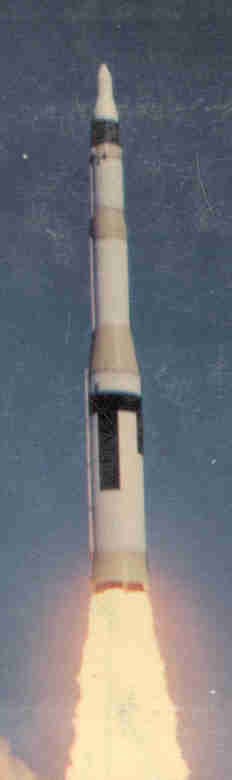
A competition between countries to build more and better weapons.
Notes: The arms race and the Hungarian Uprising · Reagan, Gorbachev and arms control
The part of the constitution that let the President rule by decree, without the Reichstag, in an emergency.
Notes: The origins of the Weimar Republic · How Hitler became Chancellor · Creating the dictatorship
A law allowing councils to clear slums and build better housing for working people.
The Nazis' name for what they falsely claimed was a superior German 'race'.
Courts held around the country by judges who travelled from London, which tried serious crimes.
A German motorway. Building them created many jobs in the 1930s.
A Nazi Party meeting in 1926 at which Hitler reasserted his leadership and settled the party's direction.
Notes: The early Nazi Party
The abbey William founded on the site of the Battle of Hastings.
Notes: William I and the succession
A German school of design, founded in 1919, famous for simple, modern buildings and furniture.
Notes: Changes in society, 1924–29
The failed US-backed invasion of Cuba by Cuban exiles in April 1961.
Notes: The Cuban Missile Crisis
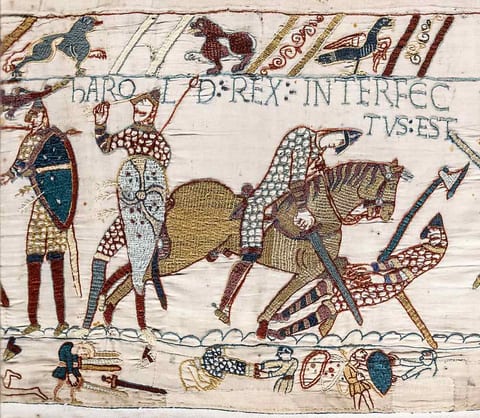
A long embroidered cloth showing the events of 1064–66 from the Norman point of view, probably made for Odo.
Notes: Edward the Confessor and the succession crisis · The Norman aristocracy and Bishop Odo
A police officer who walked a fixed route, called a beat, on foot.
Notes: Policing Whitechapel
The right of clergy to be tried in a Church court, which could not sentence them to death.
Notes: The Church and crime
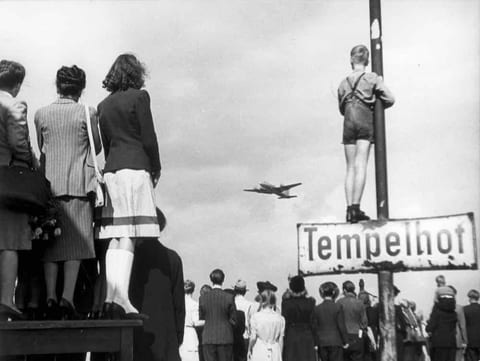
The flying of supplies into West Berlin by the USA and Britain during the Soviet blockade of 1948–49.
Notes: The Berlin Blockade and NATO
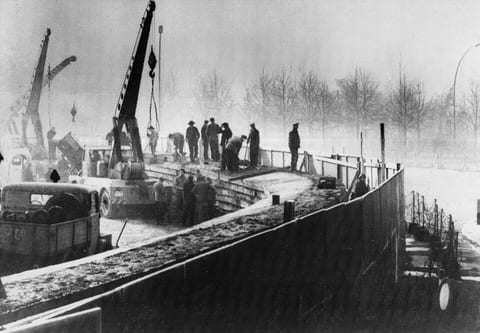
The barrier built from 13 August 1961 to divide East and West Berlin, which stood until 1989.
The leaders of the USA, Britain and the USSR in the Second World War: Roosevelt (later Truman), Churchill (later Attlee) and Stalin.
William I's half-brother, Bishop of Bayeux and Earl of Kent. He was arrested in 1082.
Notes: The Norman aristocracy and Bishop Odo · William I and the succession
A law that made over 50 crimes punishable by death, including poaching deer with a blackened face.
A Nazi official who kept watch over a block of homes and reported anyone who criticised the regime.
Notes: The police state
Using ships to stop goods reaching a country. Kennedy called his blockade of Cuba a 'quarantine'.
Notes: The Cuban Missile Crisis
The large number of crimes, many against property, that carried the death penalty from the late 17th to the early 19th century.
The violent breaking up of a protest in Trafalgar Square by police and soldiers on 13 November 1887.
Notes: Policing Whitechapel
An institution for young offenders, focused on education and training, first opened in 1902.
Notes: Modern punishment
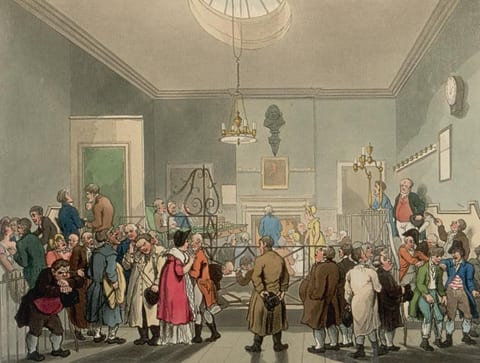
The small group of paid law-enforcers set up by Henry Fielding in London in 1749.
Notes: Robert Peel and the police
Refusing to take part in something, or to buy or use something, as a protest.
Notes: Afghanistan and the 'Second Cold War' · The persecution of minorities
The loss of skilled, educated people who leave a country to live and work elsewhere.
Brezhnev's claim, after 1968, that the USSR could intervene in any communist country where communism was threatened.
Notes: Czechoslovakia, 1968 · Reagan, Gorbachev and arms control
A ring of friendly countries that protects a country from attack. Stalin wanted Eastern Europe as one.
The death penalty.
Notes: Anglo-Saxon and Norman justice · Law and punishment in later medieval England · Early modern law enforcement and punishment
A system in which businesses are privately owned and run for profit, usually with democratic government.
Carter's promise in January 1980 that the USA would use force, if necessary, to stop any outside power taking control of the Persian Gulf.
Closed-circuit television: cameras in public places that help prevent crime and catch offenders.
Notes: Modern policing
Controlling what people can read, see and hear, by banning ideas the government disapproves of.
Notes: Propaganda and censorship · Opposition, resistance and conformity
An official count of everyone living in the country, taken every ten years, recording names, ages and jobs.
Notes: Sources and enquiries
A free Anglo-Saxon peasant who farmed land, below a thegn and above a slave.
The head of the German government, appointed by the President.
Notes: The origins of the Weimar Republic · How Hitler became Chancellor
A priest who works in an institution such as a prison, leading worship and visiting prisoners.
Notes: Pentonville prison
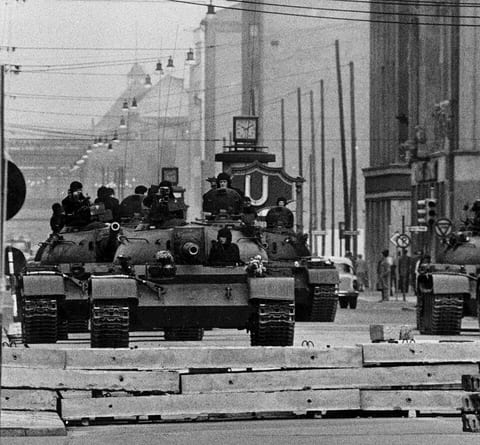
The best-known crossing point in the Berlin Wall, where US and Soviet tanks faced each other in October 1961.
Courts run by the Church, which tried clergy and dealt with moral offences. They could not sentence anyone to death.
The Criminal Investigation Department, set up in 1878, with plain-clothes detectives to investigate crimes.
The separate police force for the City of London, the small area at the centre of London.
Someone who says they have a right to something, here the English throne.
The Council for Mutual Economic Assistance, set up in 1949 to organise trade between communist states.
A system in which the state owns industry and farms, and one party, the Communist Party, rules.
A non-custodial sentence in which offenders do unpaid work in the community, such as cleaning up graffiti.
Notes: Modern punishment
A prison camp where the Nazis held opponents and others without trial, in brutal conditions.
Notes: The police state
The 1933 agreement between Hitler and the Pope about the Catholic Church in Germany.
The Protestant Church set up by pastors such as Niemöller who opposed Nazi control of the Church.
Going along with what is expected, without necessarily agreeing with it.
Someone who refuses to fight in a war because they believe it is morally wrong.
Notes: Conscientious objectors
The US policy of stopping communism from spreading to more countries.
What a source shows or says.
Notes: Sources and enquiries · Exam skills: the historic environment · Exam skills: the modern depth study
The ceremony in which a king is crowned and anointed with holy oil.
Notes: Establishing control
The record of an official investigation into a sudden or suspicious death.
Notes: Sources and enquiries
Punishment that causes physical pain, such as whipping or the stocks.
Notes: Anglo-Saxon and Norman justice · Law and punishment in later medieval England · Early modern law enforcement and punishment
The 1856 law that made every county and town in England and Wales set up a police force.
Notes: Robert Peel and the police
Crime committed using computers and the internet, such as online fraud and hacking.
Notes: Crime in modern Britain
A law that made it a crime to possess or sell drugs such as opium and cocaine without a prescription.
Notes: Crime in modern Britain
A large fleet sent by King Sweyn of Denmark, which joined the northern rebels and helped capture York.
The German Workers' Party, which Hitler joined in 1919 and which became the Nazi Party in 1920.
Notes: The early Nazi Party
The 1924 agreement that spread out Germany's reparations payments and brought in US loans.
Notes: Recovery, 1924–29
Land kept by a lord for his own use. The royal demesne was the king's own land.
A severe, long-lasting fall in economic activity, with very high unemployment.
Notes: How Hitler became Chancellor
A 19-year-old hanged in 1953 for a murder committed by his friend. He was later pardoned.
Notes: Modern punishment · The Derek Bentley case
The Tudor distinction between people who could not work (deserving help) and those who could but did not (to be punished).
Putting people off committing crime by making punishments harsh and public.
Notes: Law and punishment in later medieval England · The Gunpowder Plotters · Punishment and prison reform, c1700–c1900 · The Tolpuddle Martyrs · Factors and change
A weapon so dangerous that it stops an enemy attacking, for fear of the response.
The new currency introduced in western Germany in June 1948, which led Stalin to blockade Berlin.
Notes: The Berlin Blockade and NATO
A mark on the body, such as a mole or scar, which witch-hunters claimed proved a person was a witch.
A dictated peace: the German name for the Treaty of Versailles.
Notes: Early challenges, 1919–23
Identifying people from their DNA, used in criminal cases from the 1980s.
Notes: Modern policing
The Soviet name for the Marshall Plan: using American money to control other countries.
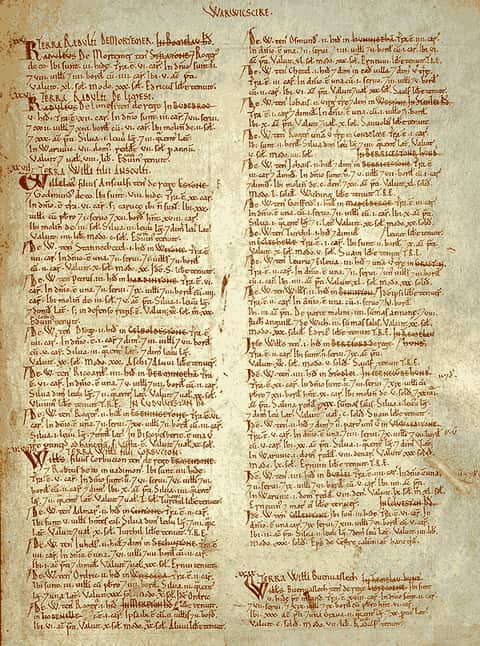
The record of the survey of England made in 1086, showing who held land and what it was worth.
Notes: The Harrying of the North · Norman government and Domesday
Crimes connected with driving, such as speeding and drink-driving, created by laws from 1903 onwards.
Notes: Crime in modern Britain
One of the king's most powerful nobles, who ruled a large region called an earldom for the king.
Notes: Anglo-Saxon government, economy and society · Establishing control · Norman government and Domesday
Groups of working-class young people who rejected the Hitler Youth and sometimes clashed with it.
Fitting an offender with a tag, usually on the ankle, so their location can be tracked while they serve a sentence at home.
Notes: Modern punishment
A Quaker who campaigned to improve conditions for women prisoners, starting at Newgate in 1813.
The law of March 1933 that let Hitler make laws without the Reichstag.
Notes: Creating the dictatorship
Something that causes or influences change, such as attitudes, individuals, institutions or technology.
Notes: Factors and change
Pretending to run away, to tempt the enemy to break formation and chase.
Notes: The battles of 1066
A way of organising society in which land was held from a lord in return for service.
Notes: The feudal system
The leader of the Cuban Revolution of 1959, who ruled Cuba and allied with the Soviet Union.
Notes: The Cuban Missile Crisis
Identifying people from the unique patterns on their fingertips, used by the police from 1901.
Notes: Modern policing
A Metropolitan Police team set up in 1919, using fast cars to tackle serious and organised crime across London.
Notes: Modern policing
A new investigation, using another source, to find out more about something mentioned in a source.
An area set aside for the king's hunting, under special, harsh laws.
William I's laws protecting royal hunting land. They made hunting there a serious crime.
Losing your land as a punishment, for example for rebelling against the king.
The Church council of 1215 that banned priests from taking part in trial by ordeal.
Notes: The Church and crime
Groups of right-wing ex-soldiers who fought against communists after the First World War.
Notes: Early challenges, 1919–23
The Federal Republic of Germany, or West Germany, created from the western zones in 1949.
Notes: The Berlin Blockade and NATO
The part-time army of free men, called up when needed.
Laws that allowed only wealthy landowners to hunt game, such as deer, hares and pheasants.
Peel's law to improve prisons: gaolers were paid, chaplains visited, and women guarded women prisoners.
The German Democratic Republic, or East Germany, created from the Soviet zone in 1949.
Notes: The Berlin Blockade and NATO
A land tax collected by Anglo-Saxon and Norman kings, first raised to pay off or defend against Danish raiders.
Notes: Anglo-Saxon government, economy and society · Norman government and Domesday
When workers in many industries stop work at once, such as the strike that defeated the Kapp Putsch in 1920.
Notes: Early challenges, 1919–23
The Nazi organisation that replaced trade unions in 1933 and controlled workers' pay and hours.
Notes: Creating the dictatorship · Employment and living standards
The Nazi secret state police, which could arrest and imprison people without trial.
Notes: The police state
'Openness': Gorbachev's policy of allowing more freedom of speech and less censorship.
The period of recovery and stability in Weimar Germany from 1924 to 1929, under Stresemann.
Notes: Recovery, 1924–29
The wartime alliance of Britain, the USA and the USSR against Nazi Germany.
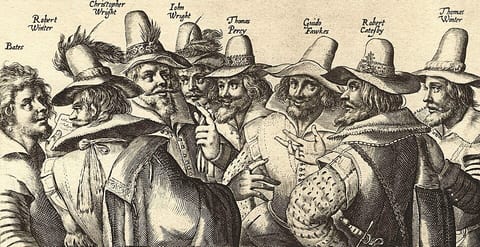
A Catholic plan to blow up Parliament and kill James I on 5 November 1605.
Notes: The Gunpowder Plotters
The division of the Metropolitan Police that covered Whitechapel.
Notes: Policing Whitechapel · Investigating the Whitechapel murders
The deliberately brutal public execution used for men found guilty of treason.
Notes: The Gunpowder Plotters
William's deliberate destruction of land, food and farms in the north of England in the winter of 1069–70.
Notes: The Harrying of the North
The 1975 agreements in which 35 countries accepted Europe's borders and promised to respect human rights.
Notes: Détente
Holding religious beliefs that go against the official religion.
An English thegn who led the rebellion at Ely in 1070–71, and escaped when it ended.
Robbing travellers on the roads, often by armed robbers on horseback.
The Nazi youth organisation for boys, the only legal youth group after 1936.
A direct telephone link between the US and Soviet leaders, set up in 1963.
Notes: The Cuban Missile Crisis
The family of Earl Godwin, including his sons Harold, Tostig, Gyrth and Leofwine, who controlled most of England's earldoms by the 1060s.
A professional soldier paid to fight for the king or an earl.
The duty to raise the alarm and chase a suspect when a crime was seen.
Notes: Anglo-Saxon government, economy and society · Anglo-Saxon and Norman justice · Early modern law enforcement and punishment · Modern policing
A division of a shire, with its own court. Each hundred was responsible for catching criminals in its area.
Notes: Anglo-Saxon government, economy and society · Investigating the Whitechapel murders
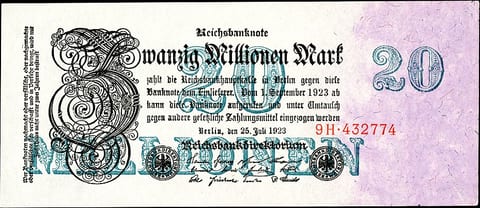
Prices rising extremely fast, so that money becomes almost worthless, as in Germany in 1923.
Notes: Early challenges, 1919–23
Why an event mattered: what it changed, or what it led to.
The reforming prime minister of Hungary in 1956, later executed by the Soviet-backed government.
The 1987 treaty in which the USA and USSR agreed to destroy all their intermediate-range nuclear missiles.
Something you work out from a source, which it suggests but does not say directly.
Someone who secretly gives information about other people to the authorities.
Notes: The police state
An established organisation with power over people's lives, such as the Church or government.
Notes: The Church and crime · Modern punishment · Factors and change
A historian's view of the past, based on their reading of the evidence.
Unemployed people who were left out of the official figures.
An area of higher ground surrounded by marshes in the Fens, used as a rebel base in 1070–71.
Your overall answer to the question, backed up by the criteria you used to decide.
Notes: Exam skills: the British depth study · Exam skills: the thematic study
A local landowner appointed to keep order and judge less serious crimes.
Notes: Law and punishment in later medieval England · Early modern law enforcement and punishment
A court for young offenders, separate from adult courts, first set up in 1908.
Notes: Modern punishment
'Children, kitchen, church': the Nazi view of a woman's proper role.
Notes: Women and young people
The idea that the king was responsible for keeping law and order, so that a crime was an offence against him.
The duty to provide armed knights for the king's army in return for land.
Notes: The feudal system
'The night of broken glass': the organised attacks on Jewish people, homes, shops and synagogues on 9–10 November 1938.
An Italian monk who was Archbishop of Canterbury from 1070. He led the reform of the English Church and governed England as regent in 1075.
Notes: The Revolt of the Earls, 1075 · The Church in Norman England
A 1933 law giving loans to married couples, part of which was cancelled for each child.
Notes: Women and young people
'Living space': Hitler's aim to take land in Eastern Europe for Germans.
The leader of the Soviet Union from 1964 to 1982, who ordered the invasion of Czechoslovakia.
Notes: Czechoslovakia, 1968
The 1963 treaty banning nuclear tests in the atmosphere, in space and underwater.
Notes: The Cuban Missile Crisis
How well off people are: their income, housing, food and quality of life.
The 1925 agreement in which Germany accepted its western borders.
Notes: Recovery, 1924–29
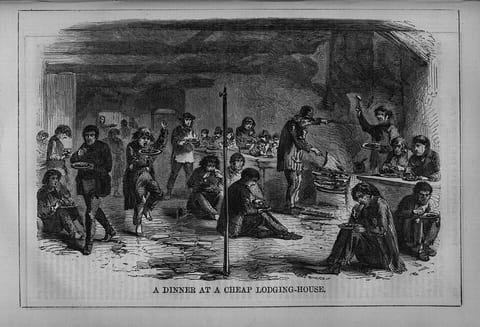
A building where people paid a few pence a night for a bed, often in a crowded shared room.
Notes: Whitechapel and the inner city
Image: From Henry Mayhew, London Labour and the London Poor, public domain
A 1946 report by the US diplomat George Kennan, warning that the USSR wanted to spread communism.
The earldoms of Hereford, Shrewsbury and Chester on the Welsh border, whose earls had extra powers to defend it.
Notes: Establishing control
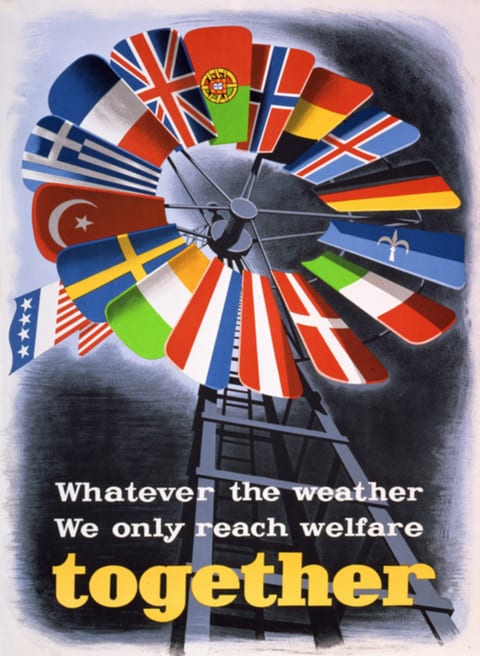
US economic aid to help Europe recover after the Second World War, from 1948.
‘My Struggle’, the book Hitler wrote in prison after the Munich Putsch, setting out his ideas.
Notes: The early Nazi Party
London's police force, set up in 1829 by Robert Peel.
The leader of the Soviet Union from 1985 to 1991, whose reforms helped to end the Cold War.
The law that sorted illegal drugs into classes A, B and C.
Notes: Crime in modern Britain
The anonymous letter that warned Lord Monteagle about the Gunpowder Plot.
Notes: The Gunpowder Plotters
An early Norman castle: a mound with a wooden keep (the motte) and a fenced courtyard (the bailey).
Notes: Establishing control
The Muslim fighters in Afghanistan who rebelled against the communist government and fought the Soviet army.
Hitler's failed attempt to seize power in Munich in November 1923.
Notes: The early Nazi Party
The idea that neither superpower would start a nuclear war, because the other could always strike back and destroy it.
An answer that tells events in order and explains how each led to the next.
The Nazi idea of a united German people, the Volksgemeinschaft, putting the nation before the individual.
A national police agency set up in 2013 to tackle serious and organised crime, such as people trafficking.
Notes: Modern policing
The North Atlantic Treaty Organisation, a military alliance of the USA and Western countries formed in 1949.
Notes: The Berlin Blockade and NATO
The Bible verse read to claim benefit of clergy, so called because it could save the reader from hanging.
Notes: The Church and crime
A scheme, begun in 1982, in which local people look out for crime and report it to the police.
Notes: Modern policing
Gorbachev's new approach from 1985: reforming the Soviet Union and seeking better relations with the West.
Notes: Reagan, Gorbachev and arms control · The end of the Cold War
A young, independent woman in Weimar Germany's cities, with modern fashions and freedoms.
Notes: Changes in society, 1924–29
The murder of Ernst Röhm, other SA leaders and other opponents by the SS on 30 June 1934.
Notes: Creating the dictatorship
A punishment that does not involve prison, such as probation or community service.
Notes: Modern punishment
The language of the Norman ruling class in England after 1066.
Replacing English people and ways of doing things with Norman ones.
Notes: The Church in Norman England
A name given by nationalists to the politicians who signed the armistice in November 1918.
Notes: Early challenges, 1919–23
The 1935 laws that took away Jewish people's citizenship and banned marriages between Jewish and non-Jewish Germans.
A huge annual Nazi rally held at Nuremberg, designed to show the power and unity of the party.
Notes: Propaganda and censorship
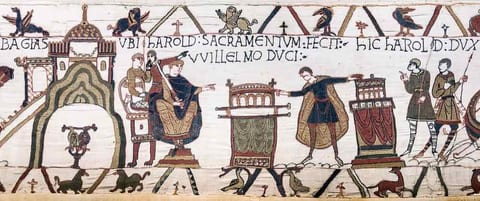
A solemn promise made before God. Breaking an oath sworn on holy relics was a serious sin.
Notes: Edward the Confessor and the succession crisis · Creating the dictatorship
The four areas that Germany and Berlin were divided into after 1945, controlled by the USA, Britain, France and the USSR.
Notes: The Berlin Blockade and NATO
A country in which only one political party is allowed.
Notes: Creating the dictatorship
A prison with few restrictions for low-risk prisoners, who may work outside during the day.
Notes: Modern punishment
A monk of English and Norman parents who wrote a history of the Normans in the early 12th century.
Notes: The Harrying of the North
Someone declared to be outside the protection of the law, who could be attacked or killed without punishment.
Relevant facts you add yourself, beyond the stimulus points, sources or interpretations.
Notes: Exam skills: the British depth study · Exam skills: the thematic study · Exam skills: the historic environment · Exam skills: the modern depth study
A flag Norman writers say the Pope sent William, showing the Church supported his invasion.
Notes: The battles of 1066
An official decision to forgive a crime and cancel the punishment.
Notes: Punishment and prison reform, c1700–c1900 · The Tolpuddle Martyrs · The Derek Bentley case
A local man chosen to keep order and arrest suspects in his parish, usually for a year, unpaid.
Notes: Law and punishment in later medieval England · Early modern law enforcement and punishment · Robert Peel and the police
Refusing to cooperate without using violence, as German workers did when France occupied the Ruhr in 1923.
A group of Protestant pastors, led by Martin Niemöller, set up in 1933 to oppose Nazi control of the Church.
A charity founded by George Peabody that built cheap, clean flats for poor Londoners, including in Whitechapel.
A nickname for the first Metropolitan Police officers, after Robert Peel.
Notes: Robert Peel and the police
A punishment set by the Church to make up for a sin, such as prayers, fasting or a pilgrimage.
Notes: The Church and crime
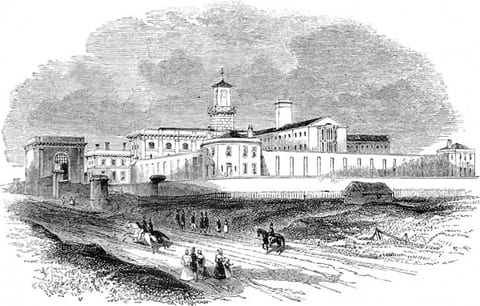
A London prison opened in 1842, designed for the separate system.
Notes: Pentonville prison
Illegally bringing people into a country, often for profit and in dangerous conditions.
Notes: Crime in modern Britain
A Nazi court set up in 1934 to try cases of treason, with judges loyal to the Nazis.
Notes: The police state
A cheap radio made so that most Germans could hear Nazi broadcasts.
Notes: Propaganda and censorship
'Restructuring': Gorbachev's reforms to the Soviet economy.
A study of a shorter period, here the Cold War from 1941 to 1991, focusing on how events developed.
Treating a group of people cruelly or unfairly, especially because of their race or beliefs.
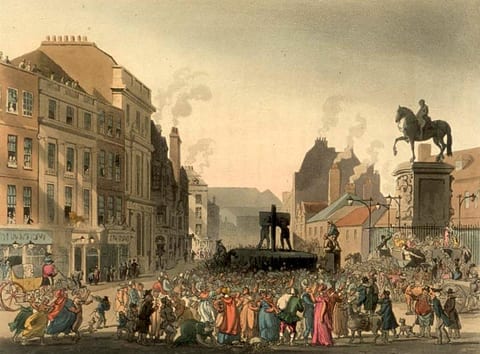
A wooden frame that held a person's head and hands, so the public could see and mock them.
Hunting animals, such as deer or rabbits, on someone else's land without permission.
Notes: Anglo-Saxon and Norman justice · Crime in the 18th and 19th centuries
A violent attack on a Jewish community, such as those in the Russian Empire in the 1880s.
The reforms in Czechoslovakia in 1968, under Alexander Dubček, which gave people more freedom.
Notes: Czechoslovakia, 1968
A non-custodial sentence: the offender lives in the community but must meet a probation officer and keep to set rules.
Notes: Modern punishment
Information, often one-sided or false, used to persuade people to support a cause.
Notes: How Hitler became Chancellor · The police state · Propaganda and censorship
A voting system in which each party gets a share of seats matching its share of the votes.
A crime in which gangs make people pay money in return for not attacking them or their property.
Notes: Policing Whitechapel
Where a source comes from: who made it, when, and why.
Notes: Sources and enquiries · Exam skills: the historic environment · Exam skills: the modern depth study
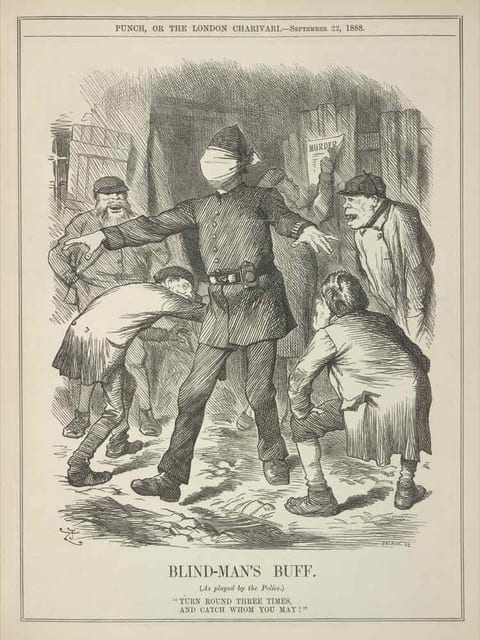
A popular Victorian magazine of humour and politics, known for its cartoons.
Notes: Sources and enquiries · Exam skills: the historic environment
Strict Protestants who wanted a simpler, purer Church, and who believed strongly in the Devil's power.
A crime motivated by hatred of someone because of their race.
Notes: Crime in modern Britain
The first British law against racial discrimination in public places. It made inciting racial hatred a crime.
Notes: Crime in modern Britain
The National Labour Service: work that young men had to do for six months from 1935.
The rising of leading barons, headed by Bishop Odo, to replace William Rufus with his brother Robert.
Notes: William I and the succession
A Catholic who refused to attend Church of England services, and could be fined for it.
Notes: The Gunpowder Plotters
Changing a criminal's behaviour so they do not offend again.
Notes: Punishment and prison reform, c1700–c1900 · Pentonville prison · Modern punishment
The religious changes of the 1500s in which England broke away from the Catholic Church and became Protestant.
Someone who governs on the king's behalf while he is away.
Notes: The Revolt of the Earls, 1075 · Norman government and Domesday · The Norman aristocracy and Bishop Odo
Reforming criminals, so that they do not commit crime again.
The Nazi organisation, set up in 1933, that all artists, writers and musicians had to join.
Notes: Propaganda and censorship
A single Protestant Church set up under Nazi control in 1933, led by Reich Bishop Ludwig Müller.
The German parliament, elected by the people, which made laws in the Weimar Republic.
Notes: The origins of the Weimar Republic · Creating the dictatorship
The burning of the German parliament building on 27 February 1933, which Hitler blamed on the communists.
Notes: Creating the dictatorship
The new currency introduced in November 1923 to end hyperinflation.
Notes: Recovery, 1924–29
Payments made by a defeated country to make up for war damage.
Notes: The Grand Alliance and early tension · Early challenges, 1919–23 · Recovery, 1924–29
Bringing offenders and victims together, so that offenders understand and repair the harm they have done.
Notes: Modern punishment
Punishment as revenge: making a criminal suffer in return for their crime.
Notes: Law and punishment in later medieval England · The Gunpowder Plotters · Punishment and prison reform, c1700–c1900
The rising of the earls of Mercia and Northumbria in 1068, which ended without a battle.
The failed rising of 1075 by Ralph de Gael, Roger de Breteuil and Waltheof.
William I's eldest son, who rebelled against him in 1077–80 and became Duke of Normandy in 1087.
Notes: William I and the succession
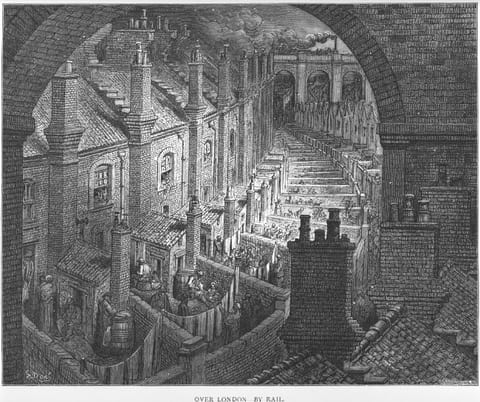
A slum area of narrow alleys and overcrowded, run-down houses.
Notes: Whitechapel and the inner city · Policing Whitechapel
The Sturmabteilung, or Brownshirts: the Nazis' private army of storm troopers, set up in 1921.
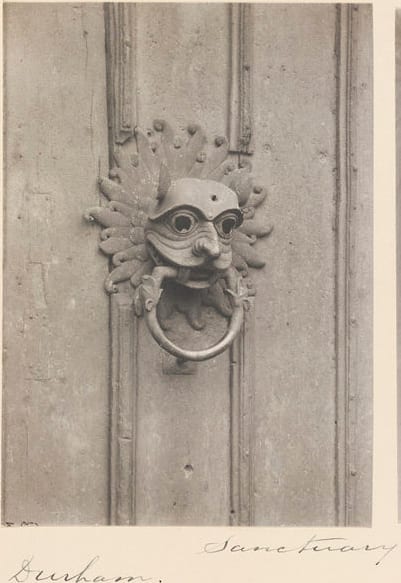
Protection from arrest given to someone who took refuge in a church.
Notes: The Church and crime
A country that is independent in name but controlled by a more powerful one.
The headquarters of the Metropolitan Police, including its detectives.
The Sicherheitsdienst: the SS's intelligence service, which gathered information on opponents.
Notes: The police state
The period of high tension between the USA and the USSR from about 1979 to 1985, after détente ended.
The ideas historians use to analyse the past: cause, consequence, change, continuity, similarity, difference and significance.
Keeping prisoners apart from each other all the time, so they could reflect on their crimes and not learn crime from others.
Notes: Pentonville prison
The king's official in a shire, who collected taxes, ran the shire court and raised soldiers.
Notes: Anglo-Saxon government, economy and society · The Revolt of the Earls, 1075 · Norman government and Domesday
A line of soldiers standing close together with their shields overlapping, very hard to break through.
Notes: The battles of 1066
One of the counties England was divided into for government, each run for the king by a sheriff.
Bringing goods into the country secretly, to avoid paying import taxes.
A crime that many people do not think is really wrong, such as poaching, so communities often protect the criminals.
Notes: Anglo-Saxon and Norman justice · Crime in the 18th and 19th centuries
The Polish trade union, led by Lech Wałęsa, that opposed communist rule and won the elections of 1989.
Notes: The end of the Cold War
Spelling, punctuation, grammar and the use of specialist terms, worth 4 extra marks on Questions 5 and 6.
Notes: Exam skills: the British depth study · Exam skills: the period study · Exam skills: the thematic study
A communist uprising in Berlin in January 1919, crushed by the government with the help of the Freikorps.
Notes: Early challenges, 1919–23
Nazi courts set up in 1933 to try political opponents quickly, without a jury.
Notes: The police state
Training officers or units to deal with one particular kind of crime.
Notes: Modern policing
Areas where one power has control or influence, such as the Soviet sphere in Eastern Europe after 1945.
The Schutzstaffel: an elite Nazi organisation led by Himmler, which ran the police state and the camps.
Notes: The early Nazi Party · Creating the dictatorship · The police state
The false claim that Germany's army had not been defeated in 1918, but betrayed by politicians at home.
Notes: Early challenges, 1919–23
How well off people are: their income, housing and quality of life.
Notes: Changes in society, 1924–29
The Archbishop of Canterbury in 1066, whom the Pope did not accept. He was removed in 1070.
Notes: The Church in Norman England
Two short prompts printed under a question, which you may use. You must also use information of your own.
Notes: Exam skills: the British depth study · Exam skills: the period study · Exam skills: the thematic study
Reagan's 1983 plan for a system to destroy enemy missiles from space, nicknamed 'Star Wars'.
The Nazi organisation that provided cheap leisure activities and holidays for workers.
Formally accepting someone as your ruler and promising to obey them.
Notes: Establishing control
Who takes over as ruler when a king dies.
A small, crowded workshop where people worked long hours for very low pay.
Protests by farm workers across southern England in 1830, against low wages and new threshing machines.
Notes: The Tolpuddle Martyrs
Middle-class young people who rejected Nazi ideas by listening to jazz and swing music.
A baron or senior churchman who held land directly from the king.
Notes: The feudal system
A local lord who held land and served the king in war.
A study of one theme, here crime and punishment, across a long period of history.
A private person paid a reward for catching criminals and returning stolen goods, before organised police forces.
Notes: Robert Peel and the police
A group of about ten men who were responsible for each other's behaviour.
Notes: Anglo-Saxon government, economy and society · Anglo-Saxon and Norman justice
Six Dorset farm labourers transported in 1834 for swearing an oath when they formed a trade union, and pardoned in 1836.
Notes: Crime in the 18th and 19th centuries · The Tolpuddle Martyrs
A man who patrolled town streets at night to deter crime and arrest suspects.
Notes: Early modern law enforcement and punishment · Robert Peel and the police
An organisation of workers who join together to protect their pay and conditions.
Sending convicts to work in a British colony, first in North America and later in Australia.
Notes: Early modern law enforcement and punishment · Punishment and prison reform, c1700–c1900 · The Tolpuddle Martyrs
A crime against the monarch or country, such as plotting to kill the king or queen.
Notes: Crime in early modern England · The Gunpowder Plotters
A Norman way of deciding guilt: the accuser and the accused fought, and God was thought to help the innocent win.
A trial in which a group of ordinary people hear the evidence and decide whether the accused is guilty.
Notes: The Church and crime
A test, such as carrying hot iron, used to let God decide whether someone was guilty.
Notes: Anglo-Saxon government, economy and society · Anglo-Saxon and Norman justice
A panel that decided whether a man's claim to be a conscientious objector was genuine.
Notes: Conscientious objectors
Truman's 1947 promise that the USA would support free peoples against communism.
The Nazi Party's programme of 1920, setting out its main aims.
Notes: The early Nazi Party
The shooting down of an American spy plane over the USSR in May 1960, which wrecked the Paris summit.
A final demand, with a threat of action if it is not met.
A scheme, begun in 1927, in which workers paid in and received money if they lost their jobs.
Notes: Changes in society, 1924–29
How much a source can help a historian answer a particular question.
A homeless, unemployed person who wandered from place to place.
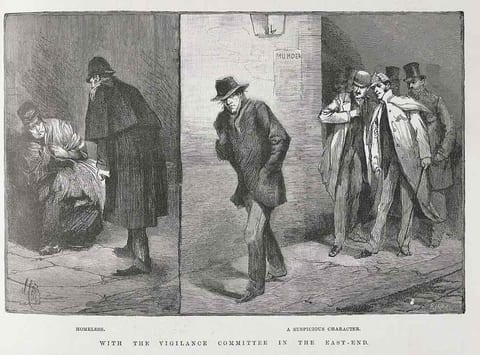
A group of local people who organised patrols and offered a reward during the 1888 murders.
A peasant in Norman England who was tied to a lord's land and had to work on it in return for land of his own.
Notes: The feudal system
The collapse of the US stock market in October 1929, after which American loans were recalled and Germany fell into depression.
Notes: How Hitler became Chancellor
Earl of Northumbria and the last English earl, executed in 1076 for his part in the Revolt of the Earls.
Notes: Anglo-Saxon resistance, 1068–71 · The Revolt of the Earls, 1075
The clause in the Treaty of Versailles that made Germany accept the blame for starting the First World War.
Notes: Early challenges, 1919–23
The military alliance of the USSR and its satellite states, formed in 1955.
Notes: The arms race and the Hungarian Uprising · The end of the Cold War
Land recorded in Domesday Book as producing nothing of value. How much of it the Harrying caused is debated.
Notes: The Harrying of the North
A payment made to a victim or their family as compensation for a crime. It varied with the victim's rank.
Notes: Anglo-Saxon government, economy and society · Anglo-Saxon and Norman justice
The murders of five women in and around Whitechapel between August and November 1888.
William I's second surviving son, who became King William II of England in 1087.
Notes: William I and the succession
The king's council of earls, bishops and other leading men. It advised the king and helped choose a new one.
Notes: Anglo-Saxon government, economy and society · Edward the Confessor and the succession crisis
Using supposed magic powers to harm others. It was made a crime in 1542 and stopped being one in 1736.
The law that ended witchcraft prosecutions, making it a crime only to pretend to have magical powers.
Laws of 1542, 1563 and 1604 that made witchcraft a crime punishable by death.
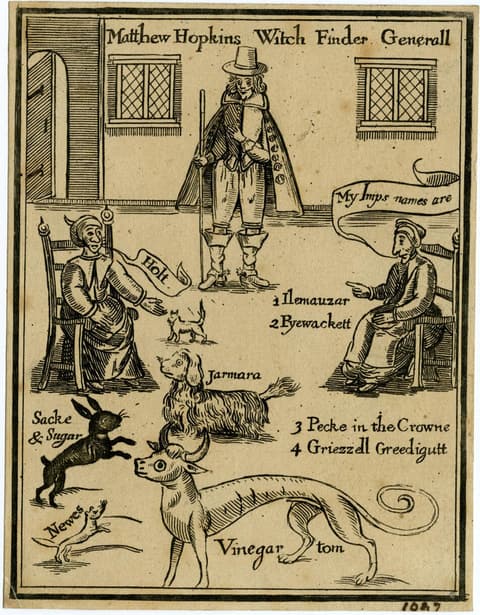
The title Matthew Hopkins gave himself during the witch-hunts of 1645–47.
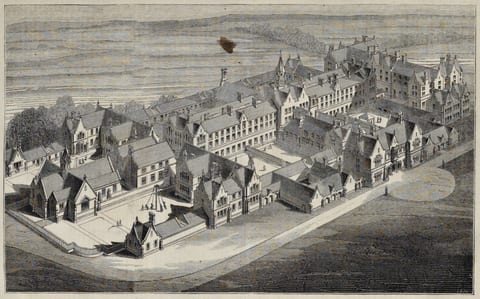
An institution where the very poor were given food and shelter in return for hard work, in harsh conditions.
Notes: Whitechapel and the inner city · Sources and enquiries
A written order from the king, sealed and sent to officials in the shires, telling them what to do.
Notes: Anglo-Saxon government, economy and society · Norman government and Domesday
The 1929 agreement that reduced Germany's total reparations and gave longer to pay.
Notes: Recovery, 1924–29
A local team, including police, social workers and teachers, that works with young offenders to stop them reoffending.
Notes: Modern punishment


