Acrosome
A structure at the head of a sperm cell containing enzymes that digest through the egg's membrane.
Notes: Specialised cells
Every key term, with its definition and a picture where one helps. Tap a bold word in the notes to see it there too.
206 terms
A structure at the head of a sperm cell containing enzymes that digest through the egg's membrane.
Notes: Specialised cells
The region of an enzyme with a shape that fits a specific substrate molecule.
Notes: Enzymes
The movement of particles from a lower to a higher concentration, against the concentration gradient, using energy from respiration.
A stem cell from body tissue, such as bone marrow, that can only differentiate into a limited range of cell types.
Notes: Stem cells
Respiration using oxygen, releasing a lot of energy from glucose and producing carbon dioxide and water.
Late-stage HIV, when the immune system is too damaged to fight other infections.
Notes: Named diseases
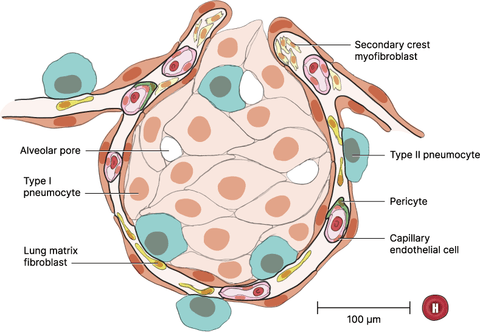
Tiny air sacs in the lungs, with thin walls and a good blood supply, where gas exchange happens.
Notes: Exchange surfaces
Respiration without oxygen; it releases much less energy than aerobic respiration.
Notes: Aerobic and anaerobic respiration · Exercise and metabolism
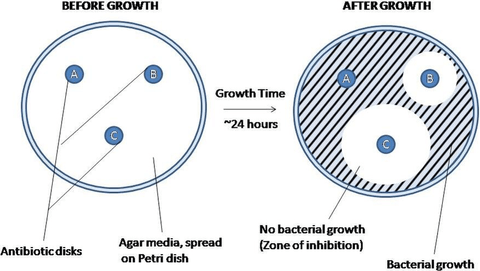
A medicine that kills infective bacteria inside the body.
Notes: Antibiotics and painkillers
When bacteria are no longer killed by an antibiotic, due to a mutation that is passed on as they reproduce.
Notes: Antibiotics and painkillers
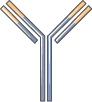
A protein made by white blood cells that binds to a specific antigen, helping destroy the pathogen.
A unique molecule on the surface of a pathogen that the immune system recognises.
A substance made by white blood cells that neutralises toxins produced by bacteria.
A blood vessel with thick, elastic walls that carries blood away from the heart at high pressure.
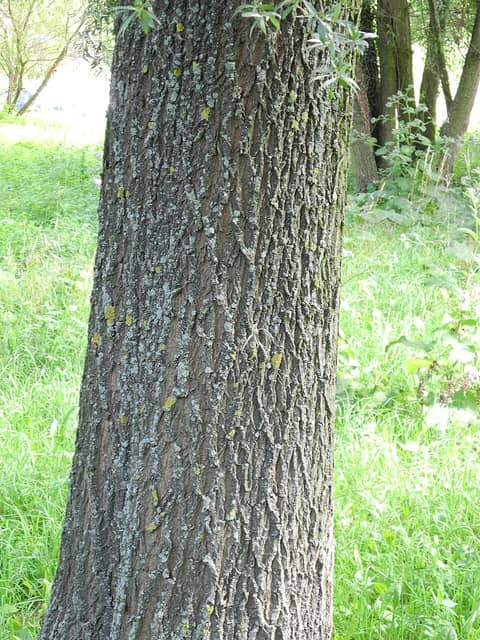
A painkiller originally developed from a chemical in willow bark.
One of the two upper chambers of the heart, which receive blood from the veins and pass it to the ventricles.
Notes: The heart and blood vessels
A single-celled prokaryotic organism. Some bacteria are pathogens, which may make toxins that damage tissues.
Notes: Prokaryotes and eukaryotes · Pathogens and communicable diseases · Antibiotics and painkillers
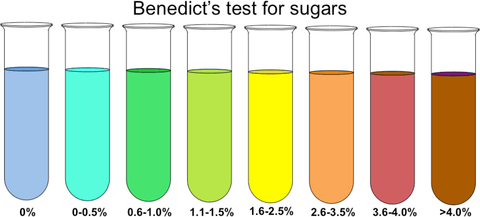
A food test for reducing sugars: a positive result turns the heated solution from blue to green, yellow or brick-red.
Notes: Digestion and food tests
A tumour that stays in one place and does not spread to other parts of the body.
Notes: Health, disease and cancer
A substance made in the liver that neutralises stomach acid and emulsifies fats to speed up their digestion.
Notes: Enzymes
The way bacterial (prokaryotic) cells divide, copying their chromosome and plasmids before splitting into two cells.
Notes: Mitosis and the cell cycle
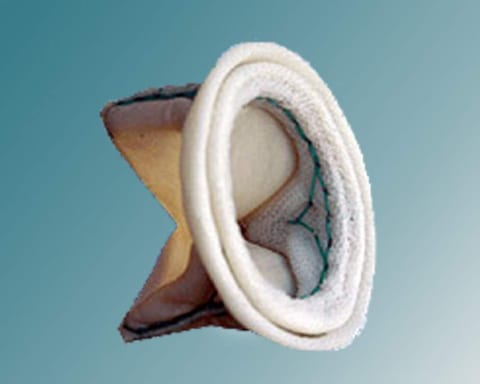
A replacement heart valve from a human or animal donor.
Notes: Coronary heart disease
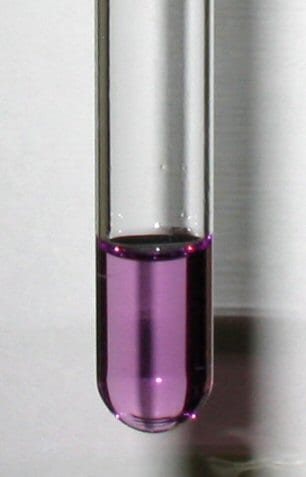
A food test for protein: a positive result turns the solution from blue to purple or lilac.
Notes: Digestion and food tests
The volume of air taken in with each breath; it increases during exercise.
Notes: Exercise and metabolism
The number of breaths taken per minute. It increases during exercise.
Notes: Exercise and metabolism
A disease caused by cells dividing out of control, forming a malignant tumour.
Notes: Health, disease and cancer · Drug development and monoclonal antibodies
A very narrow blood vessel with a wall one cell thick, allowing substances to diffuse into and out of the blood.
The repeating sequence of growth and division a body cell goes through, ending in mitosis.
Notes: Mitosis and the cell cycle
The thin layer around a cell that controls which substances move into and out of it.
Notes: Prokaryotes and eukaryotes · Diffusion, osmosis and active transport
A rigid layer round plant, algal and bacterial cells that strengthens the cell. In plants and algae it is made of cellulose.
Notes: Prokaryotes and eukaryotes · Diffusion, osmosis and active transport · Uses of glucose
A carbohydrate made from glucose that strengthens plant cell walls.
Notes: Uses of glucose · Exercise and metabolism
The green pigment in chloroplasts that absorbs light energy for photosynthesis.
Notes: Photosynthesis · Limiting factors and light intensity
A plant cell organelle that absorbs light energy to make food by photosynthesis.
Notes: Cells and organelles · Diffusion, osmosis and active transport · Photosynthesis
The single loop of DNA in a prokaryotic cell that carries most of its genes.
Notes: Prokaryotes and eukaryotes
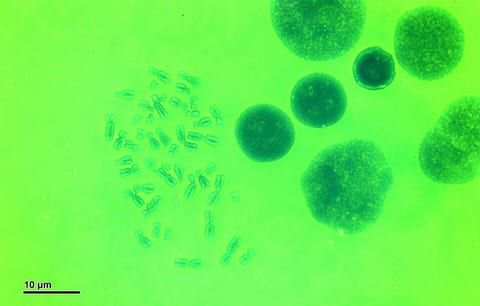
A structure made of coiled DNA, found in the nucleus, that carries genetic information.
Notes: Prokaryotes and eukaryotes · Mitosis and the cell cycle
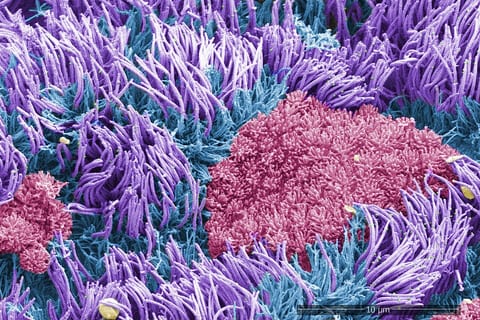
Tiny hair-like structures on cells lining the airways that waft mucus up to the throat.
Testing a new drug on healthy volunteers and then patients.
A disease caused by a pathogen that can be spread from one individual to another.
Notes: Health, disease and cancer · Pathogens and communicable diseases
The difference in concentration of a substance between two areas, which drives diffusion.
Notes: Diffusion, osmosis and active transport · Exchange surfaces
A variable kept the same throughout an experiment, so that it is a fair test.
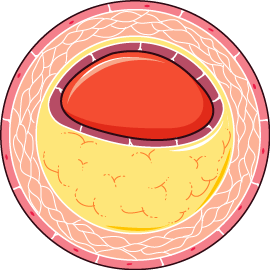
A disease in which fatty deposits narrow the coronary arteries, reducing blood flow to the heart muscle.
Notes: Coronary heart disease
The jelly-like substance inside a cell where most of its chemical reactions take place.
Notes: Prokaryotes and eukaryotes · Diffusion, osmosis and active transport
A permanent change to an enzyme's active site shape, caused by high temperature or the wrong pH, which stops it working.
Notes: Enzymes
Describes an enzyme whose active site has changed shape, e.g. at high temperature, so it no longer works.
The process by which a cell develops the specific structures needed for its function.
Notes: Stem cells · Specialised cells
The process by which a cell develops the specific structures it needs to carry out its function.
Notes: Specialised cells
The net movement of particles from an area of higher concentration to an area of lower concentration, down a concentration gradient.
The distance a substance must travel by diffusion; a shorter distance means faster exchange.
Notes: Exchange surfaces
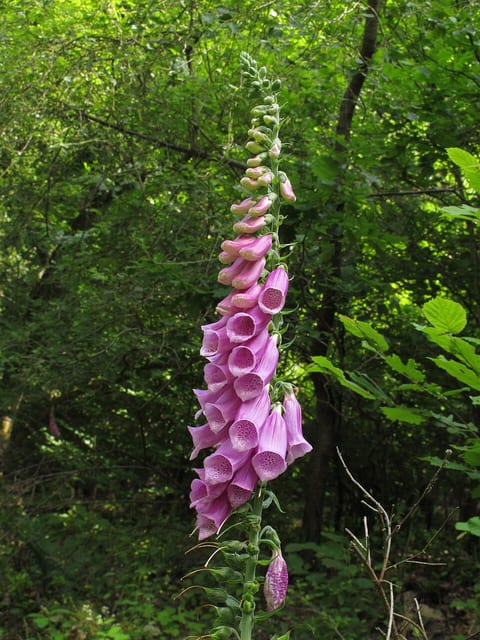
A heart drug originally extracted from foxgloves.
The molecule that genetic material is made of. Its sequence carries the instructions for making proteins.
Notes: Mitosis and the cell cycle
The amount of a drug given and how often; trials find the optimum dose.
A circulatory system with two circuits: one to the lungs, and one to the rest of the body.
Notes: The heart and blood vessels
A trial in which neither patients nor doctors know who receives the drug or the placebo.
How well a drug works at treating the condition it is meant for.
A microscope that uses a beam of electrons. Its much higher magnification and resolution show sub-cellular structures, such as ribosomes, in detail.
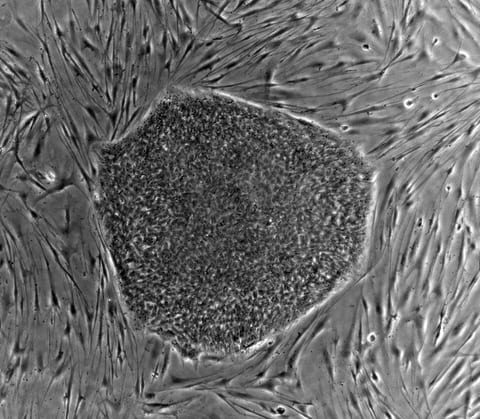
A stem cell from an early embryo that can differentiate into almost any cell type.
Notes: Stem cells
A biological catalyst, made of protein, that speeds up a specific reaction without being used up.
Notes: Enzymes
Tissue covering the surface of a leaf, often coated in a waxy cuticle to reduce water loss.
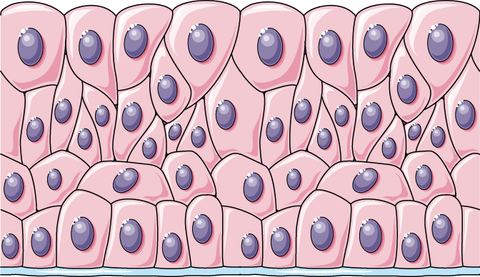
Tissue that covers the inside and outside surfaces of an organ.
Notes: Tissues, organs and systems
The alcohol made, with carbon dioxide, when yeast respires anaerobically (fermentation).
A cell that has a nucleus and other membrane-bound organelles.
A surface adapted for exchanging substances, with a large surface area, a thin membrane and a good blood supply, such as the alveoli or villi.
Notes: Exchange surfaces
A reaction that transfers energy to the surroundings.
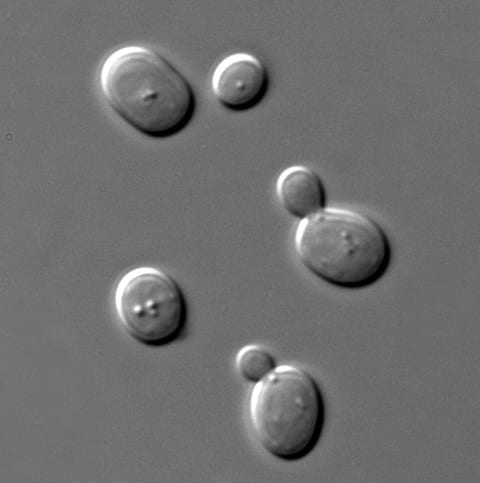
Anaerobic respiration in yeast, producing ethanol and carbon dioxide.
Soft and limp: the state of a plant cell that has lost water by osmosis.
An organism such as a mould or yeast. Some fungi are pathogens, such as rose black spot.
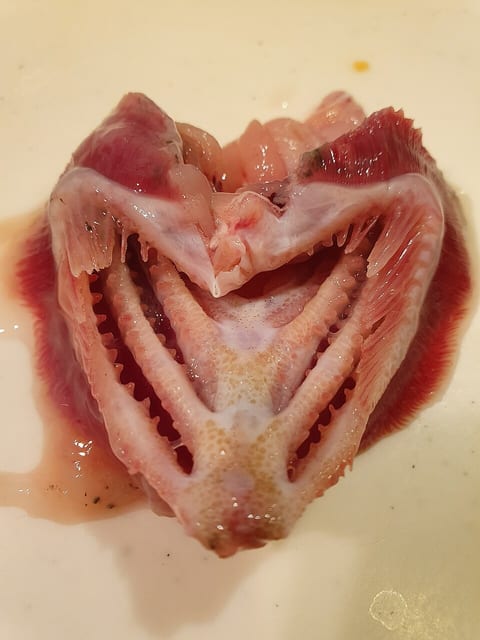
Thin plates that make up a fish's gills, giving a large surface area for gas exchange.
Notes: Exchange surfaces
A fish's gas exchange organ, made of many gill filaments, where oxygen diffuses from the water into the blood.
Notes: Exchange surfaces
Tissue that produces and secretes substances, such as enzymes or hormones.
Notes: Tissues, organs and systems
A sugar made in photosynthesis and broken down in respiration to release energy.
Notes: Photosynthesis · Exercise and metabolism
A storage carbohydrate made from glucose in animals, stored in the liver and muscles.
Notes: Exercise and metabolism
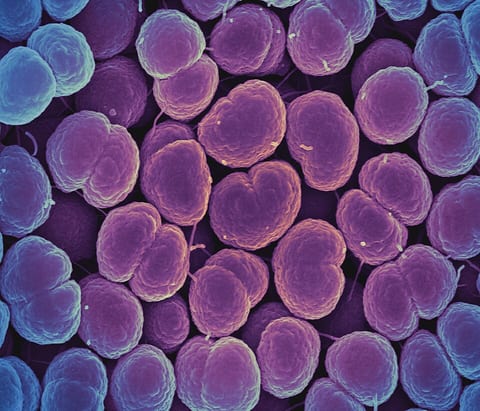
A bacterial STD causing yellow or green discharge and pain on urinating.
Notes: Named diseases
One of a pair of cells that change shape to open or close a stoma.
The protein in red blood cells that binds oxygen in the lungs and releases it in body tissues.
Notes: Blood
A hormone found in the urine of pregnant women, detected by monoclonal antibodies in pregnancy tests.
A state of physical and mental well-being, not just being free of disease.
Notes: Health, disease and cancer
The number of times the heart beats per minute; it increases during exercise.
Notes: Exercise and metabolism
Protection of a whole population, including unvaccinated people, because most people are vaccinated and the pathogen can't spread.
Notes: Vaccination
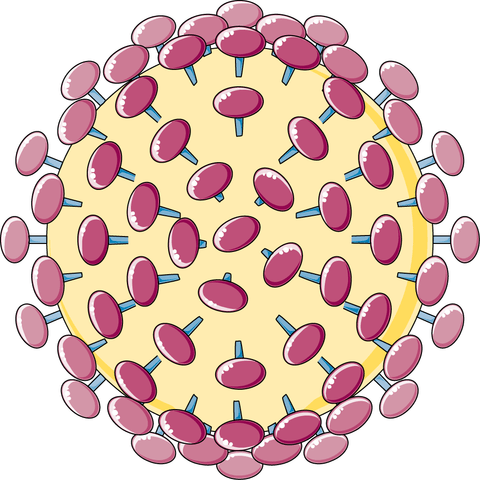
A virus that attacks the body's immune cells, spread by sexual contact or exchange of body fluids.
Notes: Named diseases
A cell made by fusing a lymphocyte with a tumour cell, able to divide and to make one specific antibody.
The size of a structure as drawn or photographed, measured directly.
The body's defences that destroy pathogens that get inside it, mainly using white blood cells.
The ability to destroy a pathogen quickly, before it causes illness.
The stage of the cell cycle before mitosis, when the cell grows, copies its DNA and makes more organelles.
Notes: Mitosis and the cell cycle
Light intensity is proportional to 1 / distance², so doubling the distance gives one quarter of the intensity.
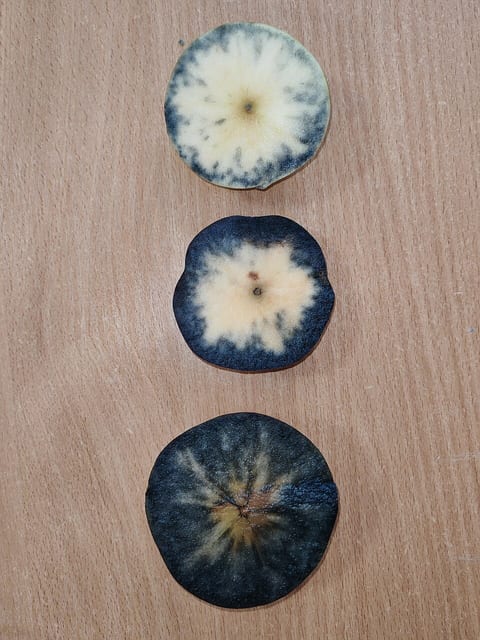
A food test for starch: a positive result turns the solution from browny-orange to blue-black.
Notes: Digestion and food tests
Keeping an infected individual away from others to stop a pathogen spreading.
The product of anaerobic respiration in muscle cells.
Notes: Aerobic and anaerobic respiration · Exercise and metabolism
Tiny folds on gill filaments with thin walls and many capillaries, where gases diffuse into and out of the blood.
Notes: Exchange surfaces
The heart chamber with the thickest muscular wall, which pumps oxygenated blood around the whole body.
Notes: The heart and blood vessels
How much light reaches a surface. It can limit the rate of photosynthesis.
Notes: Plant tissues and transpiration · Limiting factors and light intensity
A microscope that uses light and lenses to magnify a sample. It shows cells and nuclei, but its resolution is limited.
The factor in shortest supply that stops the rate of a process from increasing.
A fat or oil; plants make lipids from glucose to store energy, especially in seeds.
Notes: Uses of glucose · Exercise and metabolism
A model of how enzymes work: the substrate fits the enzyme's active site like a key fits a lock.
Notes: Enzymes
A white blood cell that produces antibodies or antitoxins.
Notes: Body defences and the immune system · Drug development and monoclonal antibodies
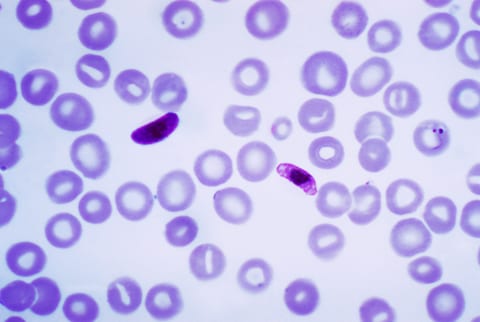
A disease caused by a protist, spread by mosquitoes, causing recurrent episodes of fever.
Notes: Named diseases
A cancerous tumour that can invade other tissues and spread to other parts of the body.
Notes: Health, disease and cancer
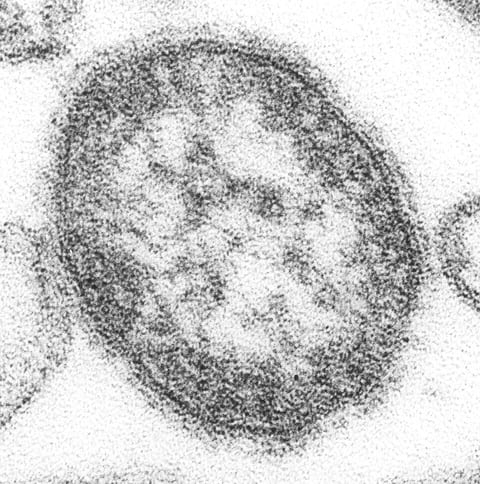
A viral disease causing fever and a red skin rash, spread by droplets in the air.
Notes: Named diseases
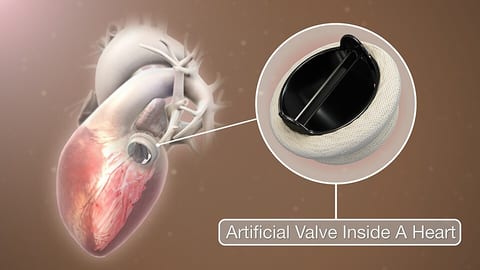
A replacement heart valve made from man-made materials.
Notes: Coronary heart disease
An organelle surrounded by its own membrane, such as a nucleus, mitochondrion or chloroplast.
Notes: Prokaryotes and eukaryotes
A white blood cell that remembers a specific antigen and triggers rapid antibody production if the pathogen returns.
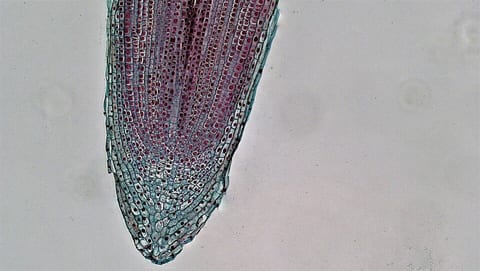
Tissue at the growing tips of plant roots and shoots, containing stem cells that can become any plant cell type.
Notes: Stem cells · Specialised cells
Image: Berkshire Community College Bioscience Image Library, CC0
One millionth of a metre, or one thousandth of a millimetre. Written 1 × 10⁻⁶ m.
Notes: Prokaryotes and eukaryotes · Microscopes and magnification
Organelles where aerobic respiration takes place, releasing energy.
Notes: Cells and organelles · Diffusion, osmosis and active transport · Aerobic and anaerobic respiration
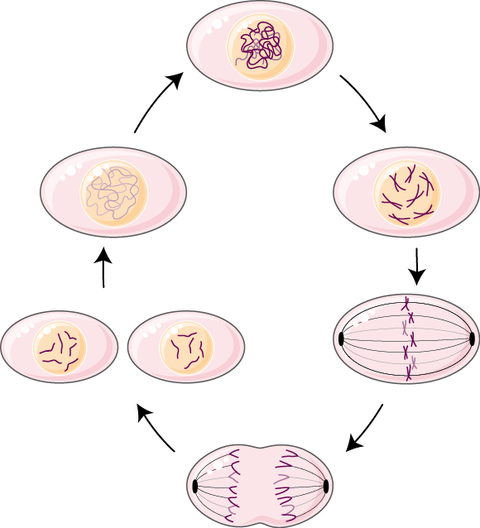
Cell division that produces two genetically identical daughter cells, used for growth, repair and replacement.
Notes: Mitosis and the cell cycle
Identical antibodies produced from a single clone of cells, all targeting one specific antigen.
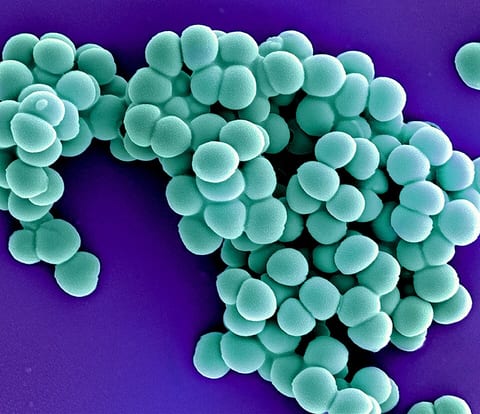
A sticky substance that traps particles and pathogens in the nose and airways.
A cell adapted to contract, with many mitochondria to release the energy it needs.
Notes: Specialised cells
When muscles become tired and stop contracting efficiently, e.g. due to lactic acid build-up.
Notes: Exercise and metabolism
Tissue that contracts to move substances, such as food through the gut.
Notes: Tissues, organs and systems
A fatty layer around some nerve cells that insulates them and speeds up electrical impulses.
Notes: Specialised cells
A unit of length equal to one thousandth of a micrometre; typical size of an organelle or virus.
A cell adapted to carry electrical impulses around the body, with a long axon and branches connecting it to other cells.
Notes: Specialised cells
Ions absorbed from the soil that plants combine with glucose to make amino acids.
Notes: Uses of glucose · Exercise and metabolism
A disease that cannot be spread between people, often developing over a long period.
Notes: Health, disease and cancer
A barrier that protects against all pathogens in the same way, e.g. skin or stomach acid.
The part of a cell that contains its genetic material and controls the cell's activities.
Notes: Cells and organelles · Diffusion, osmosis and active transport
The temperature or pH at which an enzyme works fastest.
The temperature at which enzymes work fastest, giving the highest rate of reaction.
A factor of ten. Something two orders of magnitude bigger is 100 times bigger.
Notes: Prokaryotes and eukaryotes
A group of different tissues that work together to perform a specific function.
Notes: Tissues, organs and systems
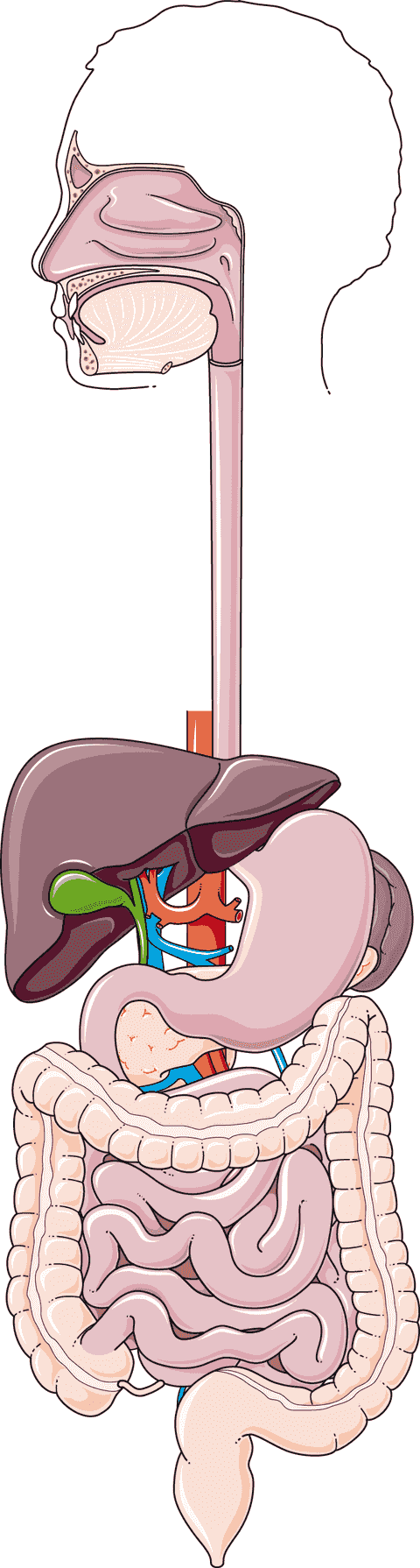
A group of organs that work together to perform an overall function in the body.
Notes: Tissues, organs and systems
The diffusion of water molecules from a dilute to a more concentrated solution through a partially permeable membrane.
The extra oxygen needed after exercise to react with accumulated lactic acid and remove it from cells.
Notes: Exercise and metabolism
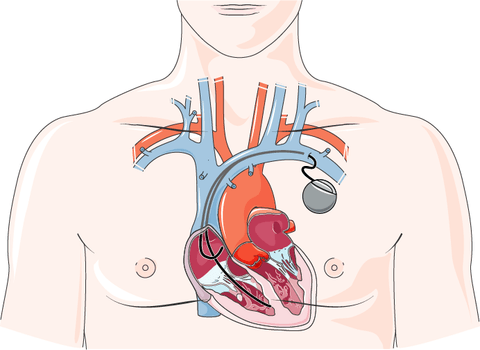
A group of cells in the right atrium that produces electrical impulses to control heart rate; also the name for an artificial device that does the same job.
Notes: The heart and blood vessels
A medicine that relieves symptoms such as pain but does not kill the pathogen causing the disease.
Notes: Antibiotics and painkillers
Leaf tissue near the top surface with densely packed, chloroplast-rich cells, adapted for photosynthesis.
A membrane that allows some molecules, such as water, through but not others.
A microorganism that causes infectious disease.
Notes: Pathogens and communicable diseases · Named diseases · Antibiotics and painkillers
Checking of results by other scientists before publication.
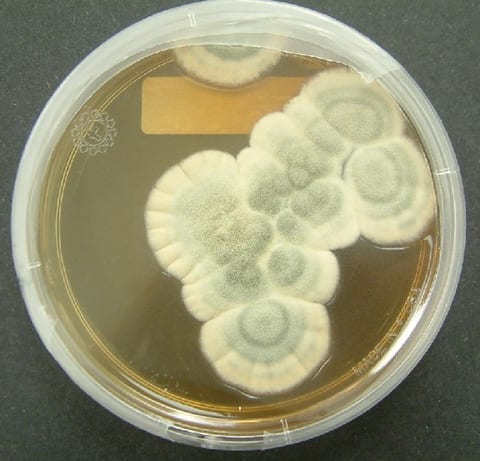
The first antibiotic, produced by the Penicillium mould.
Notes: Antibiotics and painkillers · Drug development and monoclonal antibodies
A white blood cell that engulfs and digests pathogens by phagocytosis.
The process in which a white blood cell engulfs and digests a pathogen.
Plant tissue made of living cells that transports dissolved sugars around the plant.
The process in which plants use light energy to convert carbon dioxide and water into glucose and oxygen.
Notes: Photosynthesis
A dummy treatment containing no drug, used as a comparison in clinical trials.
The liquid part of blood that transports dissolved substances, hormones and heat around the body.
Notes: Blood

A small ring of DNA in a bacterial cell, separate from the main loop of DNA.
Notes: Prokaryotes and eukaryotes · Mitosis and the cell cycle
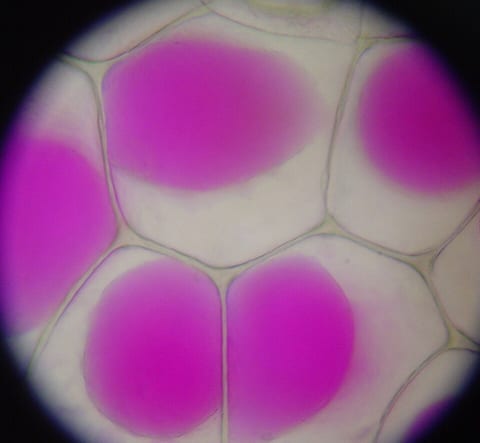
When a plant cell loses so much water by osmosis that the cell membrane pulls away from the cell wall.

Testing a new drug on cells, tissues and live animals before it is given to humans.
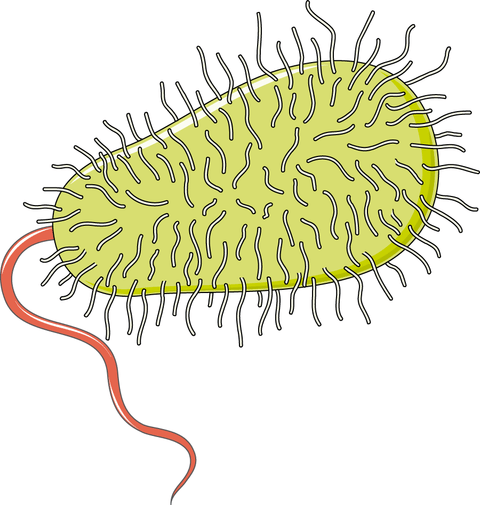
A cell with no nucleus and no membrane-bound organelles; its DNA floats free in the cytoplasm.
Notes: Prokaryotes and eukaryotes
A large molecule made of amino acids, used for growth and repair and to make enzymes and antibodies.
Notes: Uses of glucose · Exercise and metabolism
A single-celled eukaryotic organism. Some protists are pathogens, such as the one that causes malaria.

A biconcave, nucleus-free blood cell containing haemoglobin, adapted to carry oxygen.
Notes: Blood
A type of sugar, including glucose, that gives a positive result in Benedict's test.
Notes: Digestion and food tests
The ability to distinguish between two points that are close together; higher resolution gives a clearer, more detailed image.
An exothermic reaction in all living cells that releases energy from glucose.
Notes: Uses of glucose · Aerobic and anaerobic respiration · Exercise and metabolism
A tiny structure in the cytoplasm where proteins are made.
Notes: Cells and organelles · Prokaryotes and eukaryotes · Diffusion, osmosis and active transport
The heart chamber that pumps deoxygenated blood to the lungs.
Notes: The heart and blood vessels
A lifestyle or environmental factor linked to an increased chance of developing a disease.
Notes: Health, disease and cancer
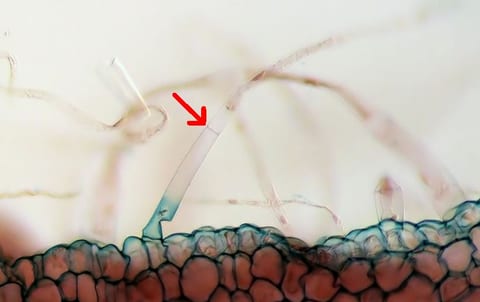
A plant cell with a long extension that increases surface area for absorbing water and mineral ions from soil.
Notes: Specialised cells
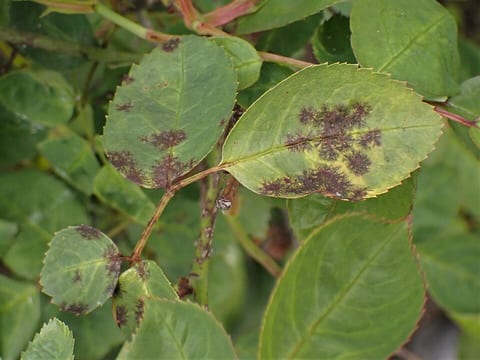
A fungal disease of roses causing black spots and early leaf loss, spread by water or wind.
Notes: Named diseases
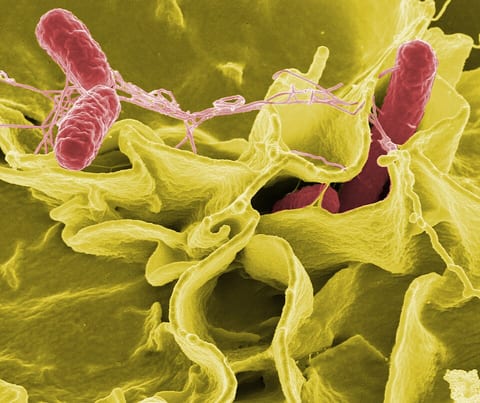
Food poisoning bacteria that secrete toxins, causing fever, cramps, vomiting and diarrhoea.
Notes: Named diseases
Image: Rocky Mountain Laboratories, NIAID, NIH, public domain
The faster and bigger antibody response when the same pathogen enters the body again, thanks to memory cells.
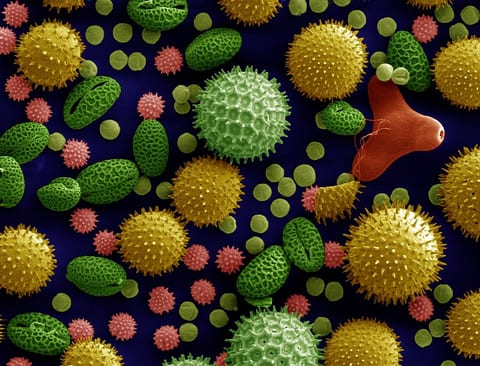
An electron microscope that scans a sample's surface to build a 3D-looking image.
Notes: Microscopes and magnification
Image: Dartmouth Electron Microscope Facility, Dartmouth College, public domain
A disease spread by sexual contact, such as gonorrhoea or HIV.
Notes: Named diseases
An end wall with pores between phloem cells, letting dissolved sugars flow from one cell to the next.
Notes: Specialised cells
A chemical added to the water to supply carbon dioxide, so it isn't limiting.
A male sex cell adapted to reach and fertilise an egg, with a tail, many mitochondria and an acrosome of enzymes.
Notes: Specialised cells
Leaf tissue with loosely packed cells and air spaces, letting gases diffuse to and from the palisade cells.
A way of writing very large or very small numbers, such as 2 × 10⁻⁶ m for 2 micrometres.
Notes: Prokaryotes and eukaryotes
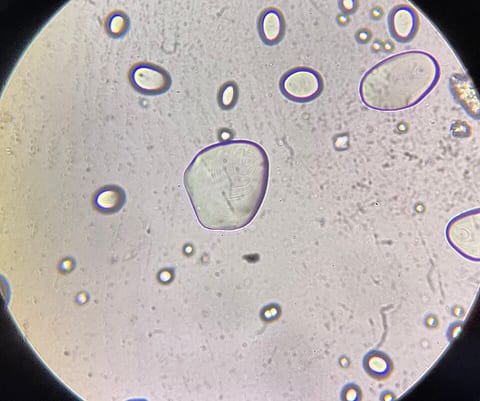
An insoluble carbohydrate made from glucose, used by plants for storage.
Notes: Uses of glucose · Exercise and metabolism
A drug that reduces blood cholesterol level, slowing the build-up of fatty deposits in arteries.
Notes: Coronary heart disease
An unspecialised cell that can divide and differentiate into one or more specialised cell types.
Notes: Stem cells
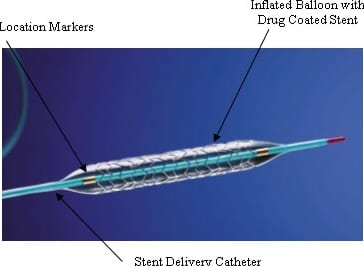
A small tube inserted into a narrowed artery to hold it open and restore blood flow.
Notes: Coronary heart disease
Tiny pores in a leaf's surface, mainly on the underside, that allow gas exchange.
A food test for lipids: a positive result shows as a red layer forming at the top of the sample.
Notes: Digestion and food tests
The surface area of an organism or structure divided by its volume; it decreases as size increases.
Notes: Exchange surfaces
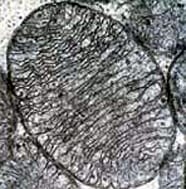
An electron microscope that passes electrons through a thin sample to reveal internal structures at very high resolution.
Notes: Microscopes and magnification
Image: US Department of Health and Human Services/NIH, public domain
Producing an embryo with the same genes as a patient, to supply stem cells the patient's body will not reject.
Notes: Stem cells
A group of similar cells that work together to carry out a shared function.
Notes: Tissues, organs and systems · Plant tissues and transpiration · Drug development and monoclonal antibodies
A plant virus causing mosaic discolouration of leaves, reducing photosynthesis and growth.
Notes: Named diseases
A poison produced by some bacteria that damages tissues and makes us feel ill.
The movement of dissolved sugars through phloem tissue, from the leaves to the rest of the plant.
Notes: Specialised cells
The loss of water vapour from a plant's leaves, mainly through the stomata.
The continuous flow of water from the roots, through the xylem, to the leaves, driven by transpiration.
A mass of cells formed by uncontrolled cell division. A tumour may be benign or malignant.
Firm and swollen — the state of a plant cell that has absorbed water by osmosis.
A waste product formed from the breakdown of excess proteins, which is excreted.
Notes: Exercise and metabolism
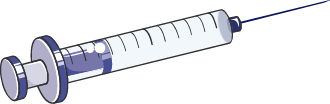
Introducing a dead or inactive pathogen into the body to stimulate antibody and memory cell production, giving immunity.
A preparation containing small quantities of a dead or inactive pathogen, used to produce immunity.
Notes: Vaccination
A permanent space in a plant cell, filled with cell sap, that helps keep the cell firm.
A flap in the heart or a vein that stops blood flowing backwards.
Notes: The heart and blood vessels
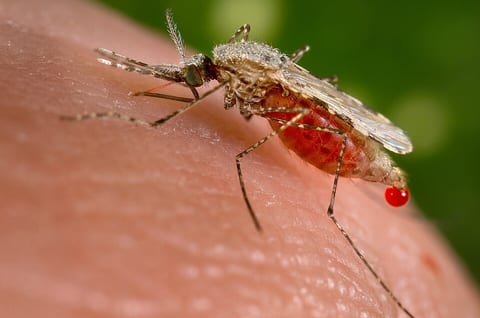
An organism that carries and spreads a pathogen between hosts, e.g. the mosquito for malaria.
A blood vessel with valves that carries blood towards the heart at low pressure.
Notes: The heart and blood vessels
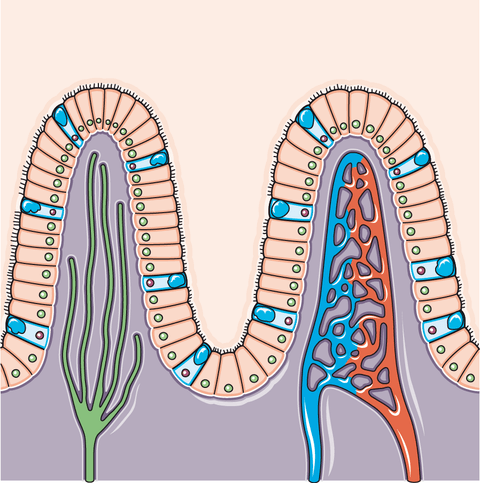
Finger-like projections lining the small intestine that increase surface area for absorbing digested food.
Notes: Exchange surfaces
A very small, non-cellular pathogen that reproduces inside host cells, damaging them.
Notes: Pathogens and communicable diseases · Antibiotics and painkillers
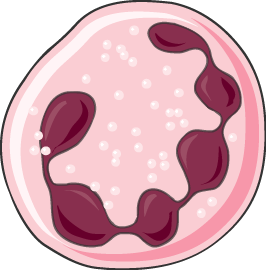
A blood cell that defends the body against infection, either by engulfing pathogens or producing antibodies.
Notes: Blood · Body defences and the immune system
Plant tissue made of dead, lignin-strengthened cells that transports water and mineral ions up the plant.


